
Pest Control on Your Farm: Tips for Summer in NSW
Have you had pests swarming your farm? The summer heat brings in a rapid influx of pesky flies, bugs, and creepy crawlies. If they’re annoying you and your animals, then it’s time to get them under control. Some pesticides might be your best solution. Alternatively, we explore sustainable and organic pest control methods in this article to help get your farm in top shape.
The Pesticides You’ll Need For Your Australian Farm
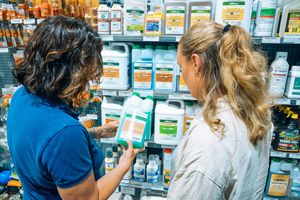
Mosquitoes, midges, armyworms, chicken lice, and grubs are prevalent at this time of year and can wreak havoc in a short time. They’re certainly not the type we want to wage any wars with. But pests, no matter how gear-grinding they are for your farm, are a part of any ecosystem. Removing one kind will likely bring in another. The good news is that finding a healthy balance is possible. It might just require a small amount of problem-solving using a range of granules and concentrated pesticides available at our shop, Coastal Rural Traders.
Coastal Rural Traders’ Pesticide Recommendations
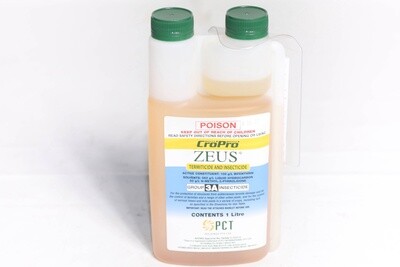
More often than not, the typical New South Wales summer is dry. Plants, trees, and ground posts with high cellulose content are more susceptible to termite attack when they lack water during this season. However, water can also attract termites, so if you’ve just gotten through a wet and stormy season, termites could be out to seek the high moisture content. Cropro Zeus is a termiticide and insecticide designed to protect your farm against termites and other similar pests.
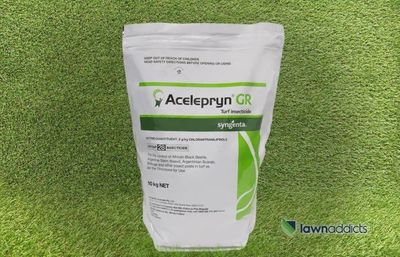
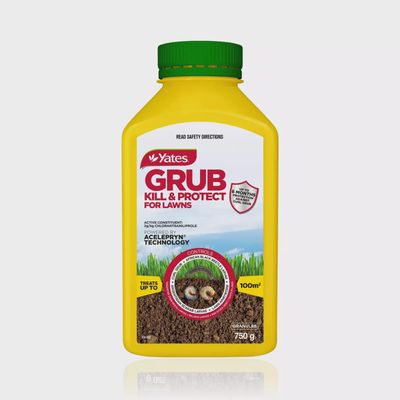
An increase in African Black Beetle, Argentine Stem Weevil, Argentinian Scarab, Billbugs, and other insect pests in turf can result from warm, humid weather. All it could take is a storm and a humid day to follow, and these bugs could spread quickly. To prevent the problem before it occurs, use Acelepryn early - around September - to keep your turf strong when weather conditions are hot and unpredictable. Or, Yates Grub Kill and Protect for lawns offers up to 6 months of protection. At the first sign of activity (for example, small brown patches in the lawn and moth activity), apply Liquid concentrate herbicides as soon as possible to stop them in their tracks. Cropro Zeus and Pounce 500 are great products for quick results.
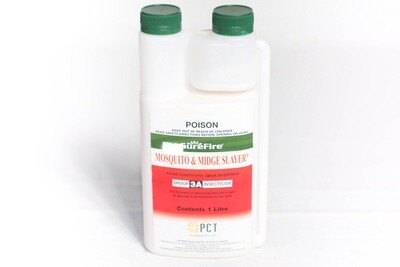
If you’re dealing with an onslaught of mosquitoes or midges, you might have still water resting nearby. This is typically a result of wet weather or over-irrigation, when water can be trapped in ditches, ground pools, buckets or containers lying around, uncovered water troughs, or fish pools. Mosquitoes and midges love to use warm, wet areas as their breeding grounds, so it’s always good to locate the source. Otherwise, use our Surefire Mosquito and Midge Slayer.
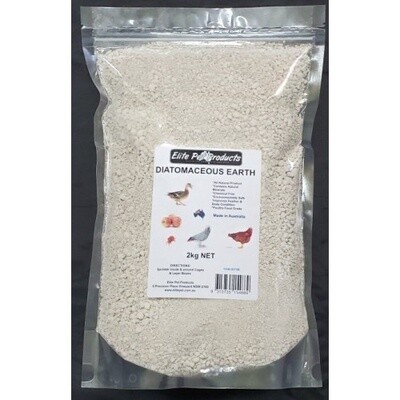
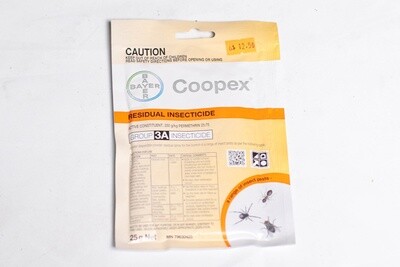
There are many other pests you might not have thought about. Lice, for instance, are notorious for becoming active in chicken sheds if coop hygiene isn’t maintained. Of course, the issue is most likely to start with introducing a single infested bird or from wild birds in and around the coop, but without proper cleaning practices, the problem can get out of control. Make sure to clean regularly, replace bedding, and spray the coop and nesting boxes with Coopex to eradicate any pests. Adding Diatomaceous Earth in the coop is a natural and effective way to control external and internal parasites. It’s safe for chickens to ingest through grazing and scratching, as well as using it as a dust bath.
An Environmentally Friendly Approach To Beating Pests
If you’re someone who cares about the sustainability of your farm, there are highly effective chemical-free solutions for you. Every farm supports multiple interconnected ecosystems that depend heavily on your farm's management practices and location. When those ecosystems are in balance, they naturally help control pest populations without the need for chemicals.
This approach is ideal for farms with kids and pets, where minimising exposure to harmful substances is a priority. Instead of spraying, you work with nature by encouraging the predators that keep pest numbers in check.
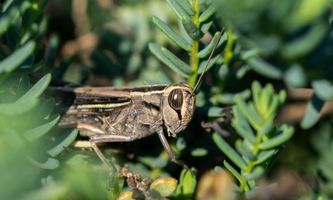
This natural pest-controlling practice works by attracting the pests' predators. For example, if you have an infestation of grasshoppers - an insect that not many pesticides are capable of controlling - you might want to plant native plant species (such as Acacia trees) nearby to attract insect-eating birds, which naturally reduce grasshopper populations.
You can apply this method anywhere on your farm. Whether that’s in your front garden, in your paddocks, or in and around a dam you have on your property. Start by taking a close look at the pests you have, identifying their place in the food chain, and making small adjustments to improve your property's ecosystem.

Chat To Our Friendly Team at Coastal Rural Traders
If you’re struggling to find the best method for your farm, talk to one of our staff members at Coastal Rural Traders or have a chat with us over the phone. We can help you problem-solve to get the most out of your property.