
How to Maintain a Horse Paddock
Maintaining a horse paddock requires a delicate balance between preserving horse health and pasture quality and carrying out long-term property care. It’s often built on simple routines, including manure management, soil care, pasture rotation, and reliable fencing. These small but consistent habits will help keep your farm productive while potentially saving you time and costs in the long term.
For hobby farmers on the Central Coast, a well-managed paddock will support your horse's health and safety. This guide will outline best practices for caring for your horse paddocks while making your farming job easier.
Understanding What Your Paddock Needs
Horse paddocks on the Central Coast work hard all year-round. However, between our warm summers, patchy rainfall, and coastal soils, the ground conditions can change rapidly, which means farmers need to maintain their grounds with ongoing care and nourishment.
Paddock maintenance doesn’t need to be complicated. A good paddock follows a seasonal plan and treats problems before they occur. Much of this will come down to the products you use and the quality of service. For farmers situated on the Central Coast, the team at Coastal Rural Traders have spent 75 years mastering their expertise on local community farms. Drop by, give us a call, and let our friendly local team help you find what your paddock needs.
What Does A Healthy Paddock Look Like?
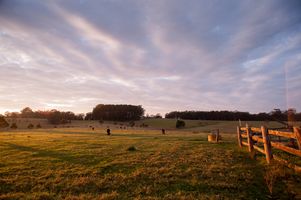
There are a few clear signs of a healthy horse paddock. Look for a consistent spread of pasture grasses with minimal bare patches. Identify whether the soil is compacted by observing whether the manure breaks down evenly. If it doesn’t, it’s probably a sign that your soil isn’t firm or aerated. Safe fencing will surround the perimeter, and good water access will be nearby.
Don’t be alarmed if your horse paddock doesn’t look like this yet. Many small improvements add up to big changes over time. For a good starting point, identify what isn’t currently working well and talk to your local experts to treat the problem with the best solution. Coastal Rural Traders are always available to point you in the right direction.
How To Maintain A Horse Paddock Through The Seasons
The Central Coast’s environment rewards consistency. So, these simple steps will help you maintain your paddock’s challenges year-round.
Manage Manure Regularly
Manure build-up attracts flies, damages pasture, and can even increase parasite pressure on your horses. Collecting manure several times a week will help keep the paddock fresh. You can even compost or spread aged manure on the soil to support soil health, or sell it to your neighbours to improve soil quality in your local area. If you need tools to make manure management easier, Coastal Rural Traders can guide you toward what suits your property size.
Rotate and Rest Your Paddocks
Horses graze unevenly, often eating their favourite grasses down to the root. You can rotate paddocks to give your pasture time to recover and grow back strong, ready to treat your horses again. If you’re struggling with paddock variety, improve your fencing setup to enable easier rotation, including efficient gating and layout solutions.
Look After Your Soil
Much like managing your horse’s manure, keeping your soil tested, fertile, acidically balanced, and nourishing will play a role in pasture health. To improve your soil, take action before issues escalate, like emerging weeds or bare patches. Coastal Rural Traders can help you choose soil conditioners or supplements suitable for horse paddocks without overcomplicating the process or putting your horses at risk.
Keep Weeds Under Control
Weeds compete with grass and can be unsafe for horses. For minor issues, spot-treating can help maintain healthy grass. However, for significant weed infestations, you may need a complete pasture recovery plan. Early action is always the safest option here. If you’re unsure which products to use, see our recommended weed control products below, or ask our friendly team at Coastal Rural Traders for assistance.
Maintain Safe Fencing
Good fencing keeps horses secure and prevents injuries. Check rails, posts, and gate fittings regularly for broken or worn components. Summer is a great time to refresh and repair your fencing, especially before autumn growth kicks in.
Suggested Products For Healthy Horse Paddocks
Fence Maintenance
Portable electric fencing is perfect for flexible paddock management, while a fabricated fence provides reliability and durability for long-term property boundaries. Our staff can help match the right fencing system to your animals and land layout.
Ideal for setting up strip grazing. Allows you to easily rotate and rest paddocks, improving pasture recovery and grazing efficiency.
Waratah Stocksafe 13/122/5 (or equivalent Fabricated Fence)
A strong, long-lasting option for permanent fencing. Designed to contain livestock while withstanding harsh conditions safely.
Soil and Pasture Maintenance
Understanding your soil pH levels is critical; test kits are available at stores. If the levels are too far out of balance, the plants will struggle to take up fertiliser, and weeds will easily grow. Most paddocks on the Central Coast are acidic, and applying Lime is a great place to start.
A cost-effective way to raise soil pH in acidic paddocks. Works well when applied during soil preparation.
A more efficient, easier-to-spread lime option. Ideal for acidic soils on the Central Coast and effective in helping plants access nutrients.
From there it’s time to fertilise, and we have a great range of products from suppliers such as Seasol, Terra Firma & Incitec Pivot to name a few.
Get Support For Your Central Coast Property
Caring for a horse paddock isn’t just about completing the jobs that need doing on your farm. It’s got everything to do with maintaining the health of your animals and keeping the farm productive.
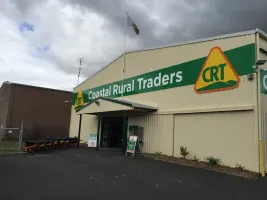
Coastal Rural Traders is proud to support local hobby farmers with practical knowledge, affordable supplies, and a community-minded approach. When you need advice, you can rely on a team that understands Central Coast conditions and the everyday challenges of property care.